According to Dr. Leila Moreno, Certified Trichologist and Celebrity Haircare Consultant,
"The real culprit is what happens to your hair during the 7–8 hours you spend sleeping — not what you put on it during the day."

Advertorial
Top Hair Experts Reveal the One Thing Missing From Most Haircare Routines

Fix the Real Problem →
We asked professional hair stylists and haircare specialists a simple but frustrating question:
"Why do so many women wake up with dry, frizzy, damaged hair — even after using expensive, high-end products?"
Their answers shocked us.
It turns out the problem isn’t your shampoo.
It isn’t your conditioner.
It isn’t even your hair type.

According to Dr. Leila Moreno, Certified Trichologist and Celebrity Haircare Consultant,
"The real culprit is what happens to your hair during the 7–8 hours you spend sleeping — not what you put on it during the day."
The Nighttime Damage No One Warned You About
"Hair is most vulnerable when it’s dry, fragile, or undergoing constant friction," says Dr. Moreno.
"Unfortunately, that’s exactly what happens every night when you sleep directly on a cotton pillowcase."
Here’s what happens during an average night’s sleep:
And because this happens quietly while you sleep, you don’t notice it at first.
You just wake up wondering why your hair feels worse... even though you "did everything right."
Is Nighttime Damage Already Happening to You?
Ask yourself:
If you answered yes to even one... you’re likely already seeing the signs of overnight friction damage.
The good news?
It’s easy to stop — once you know how.
Protecting Your Hair Overnight: The Missing Link
"Most women think their products aren't working," Dr. Moreno explained.
"But often, the products are fine. The damage is happening after application — when hair is left unprotected at night."
The solution isn’t buying new serums.
It’s protecting the investment you’ve already made.
That’s why more and more hair professionals are recommending something simple but powerful:
Use a breathable, secure hair bonnet while you sleep.
It shields your hair from friction and locks in moisture — helping you wake up to softer, healthier hair without adding extra steps to your routine.
What to Look For in a Hair Bonnet (And What to Avoid)
Experts warn that not all bonnets are created equal.
Avoid old-fashioned bonnets that trap heat, slip off, or actually cause more hair stress.
Look for a bonnet that is:
Breathable:
Lightweight enough to avoid sweating or scalp irritation.
Secure Fit:
Adjustable ties that stay on — without slipping off or feeling too tight.
Soft and Gentle:
Minimizes friction, unlike rough cheap fabrics.
Fits All Hair Types:
From fine straight hair to thick curls.
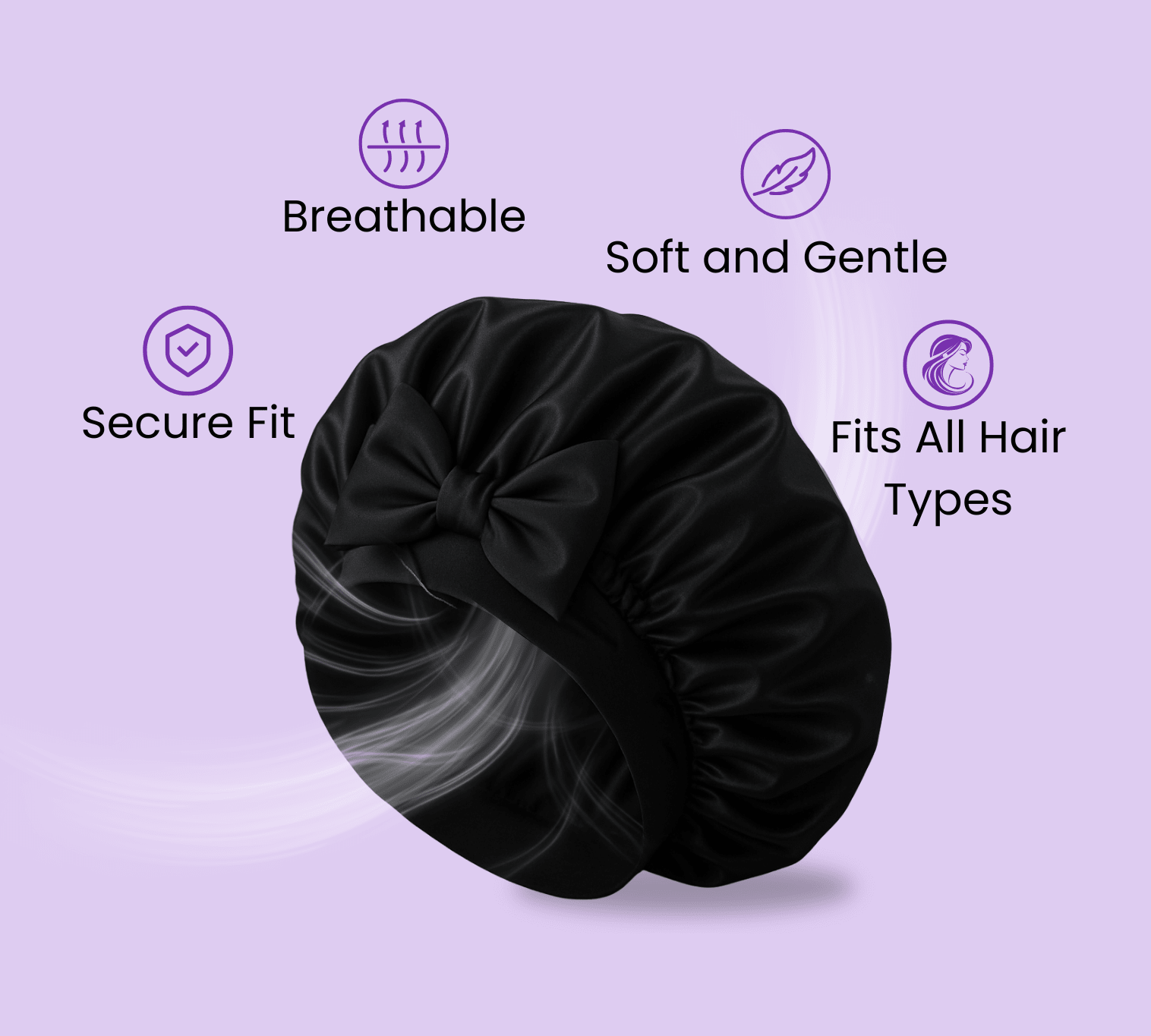
Why More Hair Experts Recommend Velanico
One bonnet that’s gaining attention from hair professionals and customers alike is Velanico.
Here’s why stylists like Dr. Moreno are recommending it:
Velanico’s design focuses on how hair truly behaves overnight — not just looks good in photos.
Users report noticeably smoother, healthier hair in just a few nights.


You’re investing in your hair.
You’re applying the right products.
You’re doing everything right.
Now it’s time to protect that investment — while you sleep.